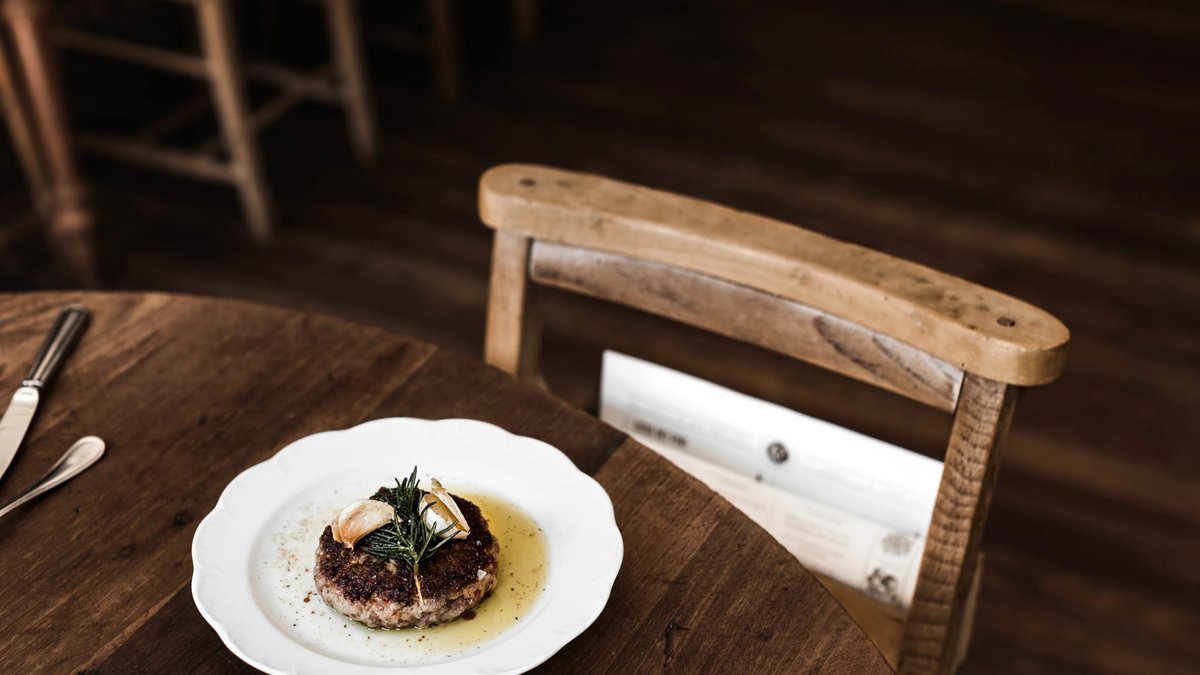
New York City’s culinary landscape is legendary, a vibrant tapestry woven with global flavors. For those who cherish Italian cuisine, the city presents a delectable dilemma: how to navigate past the myriad of "Italian" eateries to discover the truly authentic, regionally specific gems. It’s a quest for more than just a meal; it's an immersion into centuries of culinary tradition, where every dish tells a story of its specific Italian hometown.
At a Glance: Your Guide to Authentic Regional Italian Cuisine NYC
- Regionality is Key: True authenticity lies in a restaurant's focus on a specific Italian region (e.g., Sicily, Tuscany, Emilia-Romagna).
- Beyond Red Sauce: While delicious, "red sauce" Italian-American fare is distinct from traditional regional Italian cooking.
- Authenticity Markers: Look for imported Italian ingredients, traditional cooking methods (like house-made pasta or wood-fired ovens), genuine trattoria/osteria ambiance, and a menu consistent with regional specialties.
- Where to Look: Areas like Arthur Avenue in The Bronx, Greenwich Village, and parts of Brooklyn and Queens offer concentrated pockets of genuine regional Italian dining.
- Ask & Observe: Inquire about daily specials, note the wine list's Italian focus, and observe the dining room's atmosphere for clues of authenticity.
- Dining In Matters: Experience the full ambiance and culture of a restaurant by dining in, rather than ordering takeout.
The Real Deal: Defining Authentic Regional Italian Cuisine in NYC
For many New Yorkers, "Italian food" conjures images of bubbling lasagna, hearty spaghetti and meatballs, and generous portions of chicken parmigiana. These are beloved staples of Italian-American cuisine, born from the ingenuity of immigrants who adapted their ancestral recipes with local ingredients and established "Little Italies" in areas like Arthur Avenue and Mulberry Street starting in the late 1800s.
But true "Authentic Regional Italian Cuisine NYC" delves deeper. It's about precision, heritage, and the distinct flavors tied to Italy's 20 diverse regions. Think of the rich, butter-laden pastas of Emilia-Romagna, the sun-drenched seafood and vibrant vegetables of Sicily, or the robust, rustic meat dishes of Tuscany. Each region boasts its own culinary identity, shaped by geography, history, and local produce. A genuinely authentic Italian restaurant in NYC doesn't just serve Italian food; it champions a specific corner of Italy, importing critical ingredients like olive oils, cheeses, and wines directly from the source, employing traditional cooking methods (like crafting pasta by hand or firing pizzas in a wood oven), and maintaining a genuine trattoria or osteria ambiance.
A Culinary Road Trip: Exploring Italy's Regions Right Here in NYC
New York City, a melting pot of cultures, has become a microcosm of Italy itself, offering a remarkable array of regional dining experiences. You just need to know where to look.
The Hearty North: From Emilia-Romagna to Veneto
Northern Italian cuisine is often characterized by its use of butter, cream, and rich egg pastas, distinct from the olive oil-centric south.
- Emilia-Romagna: This region, often called Italy's "food valley," is famous for prosciutto di Parma, Parmigiano-Reggiano, balsamic vinegar, and iconic egg pastas like tagliatelle, tortellini, and lasagna. In Greenwich Village, Monte’s Trattoria, an old-guard institution since 1918, specializes in chef Pietro Mosconi's home region, Emilia-Romagna. You’ll find highlights like roasted artichokes, stuffed zucchini, and cannelloni, served in a charming, below-street-level setting.
- Piedmont & Veneto: These regions bring us dishes like risotto, polenta, and exquisite truffles. In Park Slope, Al Di La has been a beloved favorite since 1998, renowned for Anna Klinger’s northern Italian pastas. Don't miss the spaghetti alla chitarra neri (black spaghetti with octopus confit) or their expertly crafted tagliatelle.
Central Charms: Roman Classics & Beyond
Central Italy, particularly Rome, offers a cuisine known for its simplicity, quality ingredients, and unforgettable pasta dishes.
- Lazio (Rome): Roman cuisine is all about simple, robust flavors: Cacio e Pepe, Amatriciana, Carbonara, and Saltimbocca. For a taste of the Eternal City, Roscioli in Soho, the first international outpost of the famed Rome restaurant and wine bar, offers memorable a la carte pastas that transport you straight to the bustling streets of Rome. You can truly experience Authentic Roman Pasta in NYC here, alongside an impressive selection of cured meats and cheeses.
- Tuscany: Rustic, hearty, and relying heavily on fresh, local ingredients like olive oil, beans, and grilled meats. While specific Tuscan-only spots are less common, many general "rustic Italian" restaurants draw heavily from this tradition.
- Other Notable Central/Regional Spots: Babbo in Greenwich Village, co-founded by Joe Bastianich and Mario Batali, is celebrated for its well-executed Roman dishes, including a fantastic bucatini all’amatriciana. Also in the West Village, Via Carota, run by chefs Jody Williams and Rita Sodi, embodies a true trattoria style, serving up dishes like cacio e pepe and seasonal vegetables that sing of Italian simplicity and flavor.
The Vibrant South: Naples, Sicily, and Calabria
Southern Italian cooking is typically lighter, with a strong emphasis on olive oil, tomatoes, seafood, and fresh vegetables, reflecting the Mediterranean climate.
- Campania (Naples): The birthplace of pizza! Neapolitan cuisine is famous for its simple, fresh ingredients—San Marzano tomatoes, mozzarella di bufala, and basil. In Arthur Avenue, Zero Otto Nove offers a casual Neapolitan trattoria experience, famous for its perfectly blistered pizzas and other southern Italian specialties. If you're hunting for NYCs best Neapolitan pies, this is a strong contender.
- Sicily: An island at the crossroads of cultures, Sicilian food blends Italian, Arab, and North African influences. Expect bold flavors: caponata, arancini, fresh seafood, and pasta with pistachios or eggplant. For a genuine Sicilian experience, you'll want to Discover Sicilian Gems NYC like those that feature specific seafood preparations or unique pasta sauces.
- Calabria: Known for its spicy chilis, cured pork, and rugged peasant dishes.
- Southern-Inspired Gems: In The Bronx, Roberto’s (owner Roberto Paciullo hails from Salerno) offers an upscale, modern Italian fare that cleverly contrasts local red-sauce spots. Expect sophisticated dishes like duck or seafood steamed "in cartoccio" and rabbit sauteed with potatoes, with a strict no-meatball policy. Over in Carroll Gardens, Cafe Spaghetti (from Salvatore Lamboglia) serves up some of the city's best pastas, including fusilli grosso and rigatoni with corn ragu, in a charming setting.
The Blended Tapestry: Italian-American Classics & Modern Interpretations
NYC also celebrates its rich Italian-American heritage, often with a regional nod, and innovative modern Italian cuisine.
- Old-School Italian-American: These are the beloved neighborhood spots, often family-owned for generations, serving the classics that define many New Yorkers' culinary memories. Park Side in Corona, Queens, is a homey, old-school red-sauce spot where generations gather for eggplant rollatini, baked clams, and baked pastas. Similarly, Bamonte’s in Williamsburg, open since 1900 and featured in "The Sopranos," is a local legend where tuxedoed servers deliver scallops oreganata and, yes, spaghetti and meatballs. In Howard Beach, Queens, Lenny’s Clam Bar, founded in 1974, is a large complex famous for Italian seafood and red-sauce recipes, including their lobster bisque and fried calamari. And on Arthur Avenue, Mario’s, a family-owned institution since 1919, continues to offer old-world hospitality and traditional Italian fare.
- The Modern Italian Wave: A new generation of chefs is taking regional Italian foundations and elevating them with contemporary techniques and presentations. Cafe Carmellini in Nomad, Andrew Carmellini's opulent namesake, features Italian-leaning dishes like duck tortellini and veal with mushrooms, often with prix fixe options. Missy Robbins' acclaimed Lilia in Williamsburg shines with handmade pastas and wood-fired seafood. L'Artusi in the West Village, beloved for its ricotta gnocchi and olive oil cake, offers regional inspiration in a modern, warm setting. Even Torrisi in Nolita, a revival of the original Torrisi Italian Specialties, offers Italian American dishes with a refined touch, like linguine with pink clam sauce.
- Currently Popping Up: While Massara closed due to a kitchen fire, it's currently operating as a pop-up at the former Time and Tide Flatiron, continuing to offer its distinct culinary vision. Check their latest for details on specific offerings.
- Neighborhood Favorites: Borgo in Nomad, Andrew Tarlow's rustic spot, delights with its wood-fired oven and dishes like chicken liver crostini. Emilio’s Ballato in Nolita is a no-reservations "scene" where celebrity sightings are common, known for its stewed tripe and sweet Italian sausage with broccoli rabe. Frankies 457 in Carroll Gardens is a beloved neighborhood spot with a picturesque backyard, famous for cavatelli with hot sausage. Daphne’s in Bedford-Stuyvesant offers a playful menu with dishes like focaccia with stracciatella and cappelletti with short ribs and oxtails. And for legendary brick-oven pizza, Lucali in Carroll Gardens remains a cash-only, BYOB institution.
Your Roadmap to Authenticity: How to Spot a Genuine Italian Eatery
Finding that perfect, regional Italian meal in a city overflowing with options can feel like a treasure hunt. Here's how to sharpen your senses:
- Look for Regional Specificity (It's in the Name!): Does the restaurant identify itself with a specific region (e.g., "Osteria Romana," "Trattoria Siciliana")? This is your strongest clue. A menu that broadly covers "Italian" might be more Italian-American.
- Inquire About Daily Specials: True regional restaurants often highlight seasonal ingredients and traditional dishes that change daily. These specials are often the best representation of a chef's authentic roots.
- Check the Ingredients: While you might not inspect the pantry, observe the menu descriptions. Do they mention DOP (Denominazione d'Origine Protetta) cheeses, San Marzano tomatoes, or specific regional olive oils?
- The Wine List Tells a Story: A commitment to regionality usually extends to the wine program. A restaurant focused on, say, Piedmont, will feature Barolo and Barbaresco. Imported Italian wines are a must, not just generic "house red."
- Observe the Ambience: Does it feel like a cozy trattoria, a bustling osteria, or a rustic country inn? The decor, noise level, and general "vibe" should transport you, even subtly, to Italy. Genuine spots avoid overly kitschy or generic "Italian" decor.
- Homemade is Key: Restaurants making their own pasta, bread, or even mozzarella in-house demonstrate a dedication to traditional methods and freshness.
- Avoid Obvious Tourist Traps: While Mulberry Street's Little Italy is iconic, many of its restaurants cater primarily to tourists. For a more authentic experience, venture to enclaves like Arthur Avenue in The Bronx or explore the Italian dining scenes in Greenwich Village, Carroll Gardens, or Astoria.
- Dine In: To fully appreciate the experience, ambience, and culture that contribute to authenticity, dining in is almost always recommended over ordering takeout or delivery.
Elevating Your Dining Experience: Beyond the Plate
Once you've found your authentic regional haven, maximize your enjoyment with these tips:
- Engage with Your Server: Don't hesitate to ask about the chef's background, the origin of specific ingredients, or the story behind a regional dish. Their knowledge often enriches your meal.
- Embrace the Pace: Authentic Italian dining is rarely rushed. Savor each course, linger over conversations, and allow the meal to unfold at a leisurely pace.
- Trust the Chef's Recommendations: Often, the daily specials or the chef's signature dishes are where the true heart of the kitchen lies.
- Pair Wisely: Ask for wine recommendations that complement your regional meal. A good Italian restaurant will have knowledgeable staff to guide you through their imported selections.
Your Next Bite: A City Full of Culinary Discoveries
New York City offers an unparalleled opportunity to explore the rich tapestry of Italy's regional cuisines, without ever leaving the five boroughs. From the hearty, butter-laced dishes of the North to the sun-drenched, olive-oil-driven flavors of the South, there's a world of culinary discovery waiting for you. Each meal is a chance to connect with centuries of tradition, passionate chefs, and a vibrant culture. So, arm yourself with curiosity and a healthy appetite, and embark on your own delicious journey through the authentic regional Italian cuisine NYC has to offer. Buon appetito!