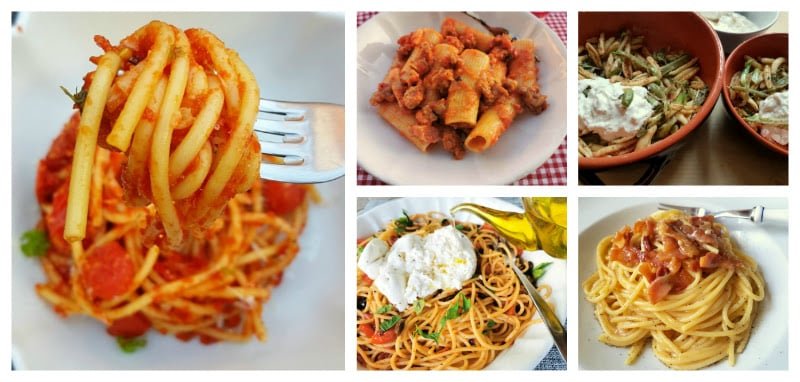
Navigating New York City's sprawling Italian food scene can feel like an odyssey, especially when your craving is specific: the hearty, unapologetically flavorful pasta dishes of Rome. Finding truly authentic Roman pasta restaurants NYC isn't about stumbling into just any Italian spot; it's a focused hunt for places that honor the "Quattro Romani"—the four iconic pasta dishes that define the Eternal City's culinary soul. These aren't just meals; they're historical statements, simple yet profound, often overlooked by less discerning palates.
Your mission, should you choose to accept it, is to cut through the noise of red-sauce joints and celebrity chef bistros to unearth the genuine article. This guide is your insider's map to identifying and savoring the true taste of Rome, right here in the heart of NYC.
At a Glance: Your Roman Pasta Roadmap
- Identify the "Quattro Romani": Learn the four essential Roman pasta dishes and their defining characteristics.
- Spot Authenticity: Understand the key ingredients (guanciale, pecorino romano) and techniques that separate true Roman from imitation.
- Discover Top Spots: Pinpoint the NYC restaurants that consistently deliver an authentic Roman pasta experience.
- Order Like a Local: Gain confidence in ordering and appreciating Roman pasta's nuanced flavors.
- Avoid Common Pitfalls: Learn what to watch out for to ensure a genuinely Roman culinary adventure.
Decoding Rome on a Plate: The "Quattro Romani"
Before we dive into specific locations, it's crucial to understand the pillars of Roman pasta. These four dishes are the standard by which any Roman trattoria should be judged, each a masterclass in simplicity and bold flavor, relying on a handful of high-quality ingredients.
- Cacio e Pepe: The purest expression of Roman pasta, translating simply to "cheese and pepper." It's spaghetti (or tonnarelli) tossed with Pecorino Romano cheese, freshly cracked black pepper, and pasta water, emulsified to a creamy, sauce-like consistency. No cream, no butter beyond perhaps a tiny bit to start the emulsion, just magic.
- Gricia: Often called "Amatriciana Bianca," Gricia is the predecessor to Amatriciana, featuring guanciale (cured pork jowl), Pecorino Romano, and black pepper. It's smoky, salty, and deeply satisfying, showcasing the guanciale's rendered fat as its primary sauce base.
- Amatriciana: Gricia's tomato-kissed cousin. This dish builds on the guanciale, Pecorino Romano, and black pepper, adding a vibrant, rich tomato sauce (usually San Marzano) to the mix. It's a symphony of savory, sweet, and tangy notes.
- Carbonara: The most famous, and often most butchered, Roman pasta. True Carbonara is made with guanciale, eggs (yolks, sometimes a whole egg), Pecorino Romano, and black pepper. The eggs form a silky, creamy sauce through emulsification with the hot pasta and rendered guanciale fat – absolutely no cream allowed.
These dishes are a testament to Roman ingenuity, born from humble ingredients and perfected over centuries. Their allure lies in their straightforwardness, allowing the quality of each component to shine.
The Quest for Authenticity: What Really Makes Roman Pasta "Roman"?
It's not enough for a menu to simply list "Carbonara." To genuinely find authentic Roman pasta restaurants NYC, you need to look for specific markers that go beyond the name.
The Guanciale Imperative
This is non-negotiable. True Roman pasta uses guanciale, not pancetta or bacon. Guanciale is cured pork jowl, offering a distinct, rich flavor and a beautiful texture when rendered. It crisps up without becoming brittle and lends an unparalleled depth to the sauce. If a menu mentions "pancetta" in its Carbonara or Amatriciana, proceed with caution.
The Pecorino Romano Rule
Another essential ingredient, Pecorino Romano, is a hard, salty sheep's milk cheese from Lazio (the region around Rome) or Sardinia. Its sharp, tangy profile is crucial for balancing the richness of guanciale and the eggs. Parmesan (Parmigiano-Reggiano), while a fantastic cheese, has a milder, nuttier flavor and does not belong in these classic Roman preparations. The subtle difference is profound.
Mastering Emulsification, Not Cream
The hallmark of a perfect Cacio e Pepe or Carbonara is a velvety, emulsified sauce. This happens when the starch from the pasta water combines with the rendered fat, cheese, and (in Carbonara) eggs, creating a creamy texture without a drop of actual cream. A watery sauce means poor technique; a heavy, gloppy one might suggest added cream. An experienced Roman chef understands this delicate balance.
Regional Specificity Beyond the Name
As noted in the broader guide to Uncover NYC's Italian Culinary Gems, authentic Italian restaurants often identify with a specific region. While a general "Italian" restaurant might offer a Roman dish, a place that prides itself on Roman cuisine or has direct ties to Rome is a stronger bet for authenticity. Look for subtle cues in the overall menu, wine list (Lazio wines, perhaps?), and even the decor.
Navigating NYC's Roman Pasta Scene: Our Top Picks
Based on the highest standards of Roman authenticity, a few establishments in NYC stand out for their commitment to these time-honored dishes.
Forsythia (Lower East Side): A Roman Pasta Lab
Forsythia has quickly established itself as a go-to for Roman classics, particularly for its meticulous approach to handmade pasta. The "pasta lab" concept underscores their dedication to tradition and quality.
- Why it’s Authentic: The menu explicitly calls out Roman classics like Carbonara, Amatriciana, and Gricia. Crucially, their Carbonara is lauded for its authentic use of guanciale and Pecorino Romano, steering clear of cream. This commitment to traditional ingredients and methods is what truly sets it apart.
- What to Order: Dive straight into the Carbonara, Amatriciana, or Gricia. These are their specialties and will give you the truest taste of their Roman prowess. Their emphasis on handmade pasta ensures a superior texture that perfectly cradles the sauces.
- Experience: Expect a contemporary yet focused dining experience, where the pasta takes center stage, allowing the nuanced flavors of Roman cuisine to shine without distraction.
Roscioli (Soho): Rome's Own Embassy in NYC
Directly hailing from Rome, Roscioli brings an unparalleled level of authenticity and expertise to NYC's dining scene. This isn't just a restaurant inspired by Rome; it is Rome, transplanted to a Soho townhouse.
- Why it’s Authentic: As its first location outside Italy, Roscioli carries the legacy of its Roman flagship, renowned for its deli, wine bar, and exceptional food. Their understanding of traditional Roman ingredients and preparations is inherent.
- What to Order: Roscioli offers a la carte options, and their pastas are consistently highlighted as "memorable." While specific Roman pasta dishes might rotate or be offered as specials, their approach to Cacio e Pepe, Amatriciana, and Carbonara will adhere strictly to Roman tradition. Don't overlook their extensive charcuterie and cheese selection, which perfectly complements their pasta.
- Experience: A sophisticated, wine-bar atmosphere perfect for savoring exquisite Roman flavors and perhaps discovering a new favorite Lazio wine pairing. The pedigree alone guarantees an authentic experience.
Via Carota (West Village): The Art of Cacio e Pepe
While Via Carota, a collaboration between Rita Sodi and Jody Williams, draws inspiration from a Florentine villa, its Cacio e Pepe has earned a distinct reputation for Roman authenticity.
- Why it’s Authentic: The restaurant is recognized for its culturally accurate preparations, and their Cacio e Pepe is specifically highlighted for its "specific emulsification technique for a creamy, Roman-authentic result." This detail confirms their mastery of the subtle art required for this minimalist dish.
- What to Order: The Cacio e Pepe is the must-try Roman pasta here. Beyond that, explore their "Verdure" (vegetable) section for culturally accurate accompaniments that complement the Roman main.
- Experience: Tucked away without a prominent sign, Via Carota offers an intimate, rustic charm. It's a place where attention to detail, from ingredients to technique, is paramount.
A Note on Massara
Previously a highly recommended spot for Roman cuisine, Massara closed its permanent location in June due to a kitchen fire. While they are currently operating as a pop-up at Time and Tide, this temporary status means they aren't a consistent, permanent fixture for your Roman pasta quest just yet. Keep an eye out for their return, but for now, focus on the established players.
Beyond the Menu: Signs of a True Roman Trattoria
When assessing an Italian restaurant for its Roman authenticity, look beyond just the pasta dishes.
- Ingredient Purity: Does the restaurant boast about its imported Pecorino Romano or its sourced guanciale? A true Roman spot understands that these ingredients are non-negotiable.
- Simplicity as Strength: Roman cuisine, particularly its pasta, thrives on simplicity. If a menu describes a Carbonara with 10 ingredients, it's likely veering from tradition. Fewer, higher-quality ingredients are the Roman way.
- The Olive Oil Test (Applied): While not specific to Roman pasta, the quality of olive oil used in a truly authentic Italian restaurant (as discussed in the broader guide) is a good indicator of overall culinary philosophy. A bright green, peppery olive oil on the table or drizzled over finished dishes signals a commitment to quality that often extends to all ingredients.
- Wine List: A thoughtful selection of Lazio wines (the region of Rome) would be another subtle but strong indicator that the restaurant respects its Roman roots.
- Atmosphere: While less about taste, a genuine Roman trattoria often evokes a certain no-frills, convivial atmosphere, where the focus is firmly on the food and company.
Your Roman Pasta Playbook: How to Order Like a Pro
Now that you know what to look for, here's how to navigate your dining experience to maximize your authentic Roman pasta enjoyment.
- Start with an Antipasto: Begin your meal with a classic Roman starter. Carciofi alla Romana (artichokes braised with herbs) or Supplí (fried rice balls, usually with tomato and mozzarella) are excellent choices to set the stage.
- Declare Your Pasta: When ordering your main pasta, don't hesitate to ask about the preparation, especially for Carbonara. A quick, polite inquiry like, "Is the Carbonara made with guanciale and no cream?" can confirm your expectations and signal to the server that you appreciate authenticity.
- Appreciate the Emulsion: When your pasta arrives, observe the sauce. It should coat the pasta evenly, be glossy, and have a beautiful, cohesive texture. It shouldn't be swimming in liquid, nor should it be clumpy or overly thick.
- Pair with Purpose: Ask your server for a wine pairing, specifically mentioning your Roman pasta choice. They might suggest a crisp Frascati (a white wine from Lazio) or a robust red from the region, enhancing the overall experience.
- Savor the Simplicity: Roman pasta isn't about complex flavor profiles but about the harmonious blend of a few powerful ingredients. Take your time, appreciate the texture of the pasta, and let the distinct flavors of guanciale, Pecorino, and pepper (or tomato) shine.
Quick Answers: Demystifying Roman Pasta in NYC
Q: What's the biggest difference between authentic Roman pasta and other Italian pasta I might find in NYC?
A: The most significant difference lies in the specific ingredients and the philosophy of simplicity. Roman pasta relies on a very precise set of ingredients—guanciale, Pecorino Romano, black pepper, and sometimes eggs or San Marzano tomatoes—used with minimal fuss. Other regional Italian pastas use different cheeses, cured meats (like pancetta), vegetables, and techniques specific to their region, offering a much broader flavor palate and ingredient list.
Q: Can I find authentic Roman pasta outside Manhattan?
A: While Manhattan (especially Soho and the West Village) tends to have a higher concentration of specialized regional Italian restaurants due to proximity and clientele, quality establishments focusing on specific regional cuisines can be found in Brooklyn and Queens. Forsythia in the Lower East Side, while technically Manhattan, borders Brooklyn and shows that dedication to authentic regional cuisine is spreading. Always consult local reviews and look for the specific authenticity markers discussed above.
Q: Is it true authentic Carbonara doesn't use cream?
A: Absolutely true. Genuine Roman Carbonara uses eggs (typically a mix of yolks and sometimes a whole egg), Pecorino Romano, rendered guanciale, and black pepper, emulsified with hot pasta water to create a silky sauce. Any addition of cream is a deviation from the traditional recipe and signifies an inauthentic preparation.
Q: How do I know if the guanciale is real?
A: While you can't always inspect the raw product, real guanciale is traditionally cut into thick cubes or strips and, when rendered, should be slightly crispy on the outside with a melt-in-your-mouth texture on the inside. It has a distinctive, almost sweet, porky flavor that is richer than pancetta. A restaurant committed to authenticity will often state "guanciale" on the menu or be able to confirm its use. If it's too thin, overly salty like bacon, or doesn't have that unique depth, it might not be the real deal.
Bringing Rome to Your Table Tonight
Finding authentic Roman pasta restaurants NYC is a delightful culinary pursuit that rewards patience and a discerning palate. By understanding the "Quattro Romani," recognizing the critical role of ingredients like guanciale and Pecorino Romano, and knowing where to look, you're now equipped to embark on a truly Roman gastronomic adventure. New York City, in its vastness, holds these hidden gems, ready to transport you straight to the bustling trattorias of the Eternal City, one perfectly emulsified, gloriously simple pasta dish at a time. Go forth and savor the real taste of Rome.